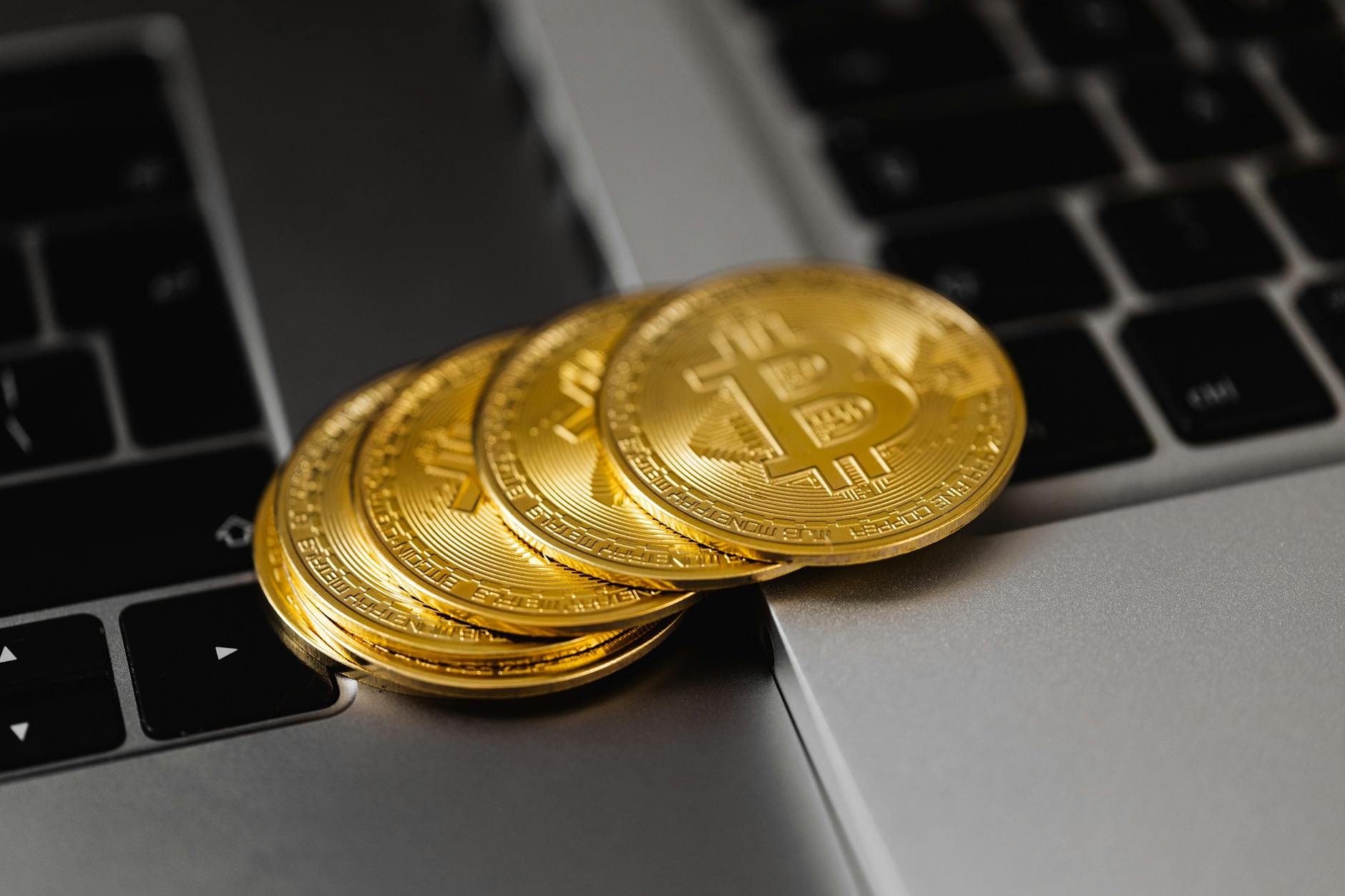
On April 14, 2026, news broke on Reddit's r/cryptocurrency and was confirmed by CoinDesk: musician G. Love — the Philadelphia blues-rapper behind Philadelphonic and a decades-long career — lost $424,000 in Bitcoin to a fake Ledger app downloaded directly from the Apple App Store. His entire crypto retirement fund. Gone in the time it takes to type a seed phrase.
This isn't a story about someone clicking a sketchy email link at 2 a.m. This is a story about a convincing fraudulent app that cleared Apple's review process and sat in the App Store long enough to drain $9.5 million in total crypto from victims before it was removed, per CoinDesk's April 14 reporting. G. Love is the highest-profile name attached to it so far.
BTC is trading at approximately $74,422 today — up 5.03% in 24 hours. If you're holding Bitcoin to fund your sports betting bankroll, or just holding it period, your dollar exposure just got meaningfully larger. Now is exactly the wrong time to be casual about wallet security.
The details that have emerged paint a frustratingly simple picture. G. Love owned a Ledger hardware wallet — one of the most reputable cold-storage devices on the market — and at some point searched for the companion app to manage his holdings. He found what appeared to be Ledger Live on the Apple App Store, downloaded it, and entered his 24-word seed phrase when prompted.
That was the moment the funds left his wallet forever.
The app was not made by Ledger. It was built by scammers specifically to mimic the legitimate Ledger Live interface, pass a superficial App Store review, and harvest seed phrases. Once a seed phrase is entered into any application — legitimate or fraudulent — whoever controls that application controls every coin associated with that wallet. There is no customer service call to make. There is no chargeback. The blockchain doesn't have an undo button.
G. Love confirmed the loss publicly. CoinDesk's reporting tied the same fraudulent app to $9.5 million in total crypto losses across all victims before Apple pulled it. That figure alone should reframe how people think about App Store trust.
Apple's App Store is widely perceived as the safer of the two major mobile marketplaces. That perception is doing real damage.
Here's the mechanics of how these apps get through:
The attack vector isn't novel — fake crypto apps have appeared in both the App Store and Google Play for years. What's changed is the sophistication of the cloning and the size of the targets. Web3 hacks cost $482 million in Q1 2026 alone, with phishing — including app-based phishing — driving the majority of losses, according to Hacken's quarterly report cited by Cointelegraph. Fake wallet apps are now one of the highest-yield theft vectors in crypto precisely because they scale: one convincing app, thousands of victims, all self-service.
The critical thing to understand: no legitimate hardware wallet software will ever ask for your seed phrase inside a mobile app. Ever. That prompt is the scam. Full stop.
When Bitcoin was trading at $20K, a hardware wallet holding 5 BTC represented $100,000 in exposure. At today's price of roughly $74,422, that same 5 BTC is worth $372,110. The coins didn't change. The risk profile did.
G. Love's situation is a direct example of this dynamic. His Bitcoin retirement fund likely represented years of accumulation — possibly purchased at much lower price points — that ballooned in dollar value as the market moved. The scammers who built that fake Ledger app didn't care about the acquisition cost. They cared about the current value sitting in the wallet.
Sports bettors who hold Bitcoin are sitting in the same position right now. If you've been stacking sats for years and using portions of your holdings for your betting bankroll, today you're holding more dollar value than you were last week — without doing anything. That's the moment to tighten your security hygiene, not loosen it. Rising prices feel good. They also make you a larger target.
For context on how athletes and public figures are navigating crypto portfolios at current prices, Odell Beckham Jr.'s Bitcoin salary at $73K illustrates exactly what happens when high-profile BTC holdings attract public attention — and why protecting those holdings matters more than ever at these price levels.
Here's the practical response to the G. Love situation. Four steps. Do them today.
Go directly to ledger.com and navigate to their downloads page. Do not search for Ledger Live in the App Store or Google Play and install the first result. The official Ledger website links directly to the verified app listing — use that link, not a search result. Ledger's legitimate app will never be named anything other than "Ledger Live" and will be published by "Ledger SAS." Check the developer name before installing anything.
This applies to every piece of hardware wallet software and every crypto platform you use. Bookmark the official URL the first time you verify it. Every subsequent visit goes through that bookmark. Search engines and app store search bars are attack surfaces — treat them as such.
Your seed phrase is entered on your hardware device only. Not in an app. Not on a website. Not in a customer support chat. Not in a screenshot sent to a "Ledger support agent" on social media. The moment any digital interface asks for your seed phrase, the correct response is to close it and go directly to ledger.com to verify what's happening. This rule has zero exceptions.
If you're using Bitcoin for sports betting, there's a practical security architecture that works: keep your long-term BTC stack in verified cold storage and maintain a separate, smaller hot wallet for active betting deposits and withdrawals. This limits your exposure on any given day to the amount you actually intend to wager — not your entire crypto net worth. Think of it like carrying walking-around cash versus keeping your savings in a vault. The strategy makes sense whether you're managing a retirement fund or a betting bankroll.
If you want to go deeper on how to structure your Bitcoin holdings around an active betting habit, the breakdown of how NBA stars like Luka Dončić are navigating crypto portfolios in 2026 is worth a read for the broader context on how high-value holders are thinking about custody right now.
Fraudulent developers exploit gaps in Apple's review process by submitting apps with benign functionality, then updating the app post-approval to include malicious screens — in this case, a prompt to enter a seed phrase. They also clone legitimate app interfaces closely enough to pass visual inspection. The fake Ledger app associated with G. Love's loss drained a confirmed $9.5 million before Apple removed it, per CoinDesk's April 14, 2026 reporting.
Move fast. Open your legitimate hardware wallet software immediately and transfer every asset to a brand-new wallet with a brand-new seed phrase — one generated on a verified hardware device, offline. The moment a seed phrase is compromised, assume the wallet is compromised. Time is the only variable: scammers often run automated sweeper bots that drain wallets within minutes of receiving a harvested seed phrase.
Yes — when downloaded through the correct channel. The legitimate Ledger Live app, accessed via a direct link from ledger.com, is safe. The danger is lookalike apps in the App Store or Google Play that appear in search results alongside or above the real thing. Always navigate to the official Ledger website first and use their provided download link. Never install a "Ledger" app you found through an App Store keyword search without verifying the developer is "Ledger SAS."
The standard approach is a two-wallet setup: a cold storage wallet (hardware device, verified software only) for the bulk of holdings, and a hot wallet with only the amount you plan to deposit in the near term. Deposit directly from your wallet to the sportsbook when you're ready to bet, and withdraw back to cold storage after sessions. This minimizes how much BTC is exposed in a hot wallet at any given time — a smart habit regardless of current prices.
Once your wallet security is locked in — verified software, seed phrase on hardware only, betting bankroll separated from long-term holdings — Bitcoin Bay makes depositing and withdrawing BTC straightforward. Bitcoin Bay is a KYC-verified sportsbook and casino accepting Bitcoin and 11 other cryptocurrencies, built for serious crypto holders who want the full range of sports markets without cutting corners on security or integrity. Get your custody right first. Then the sportsbook will be here.
Bitcoin Bay is intended for adults 21+. Sports betting involves risk — never wager more than you can afford to lose.